
BWF World Junior Championships 2026: India's New-Format Gamble in Cairo
**Câu trả lời cốt lõi:** BWF World Junior Championships 2026 diễn ra tại Cairo từ ngày 5 đến 17 tháng 10, với vòng đồng đội Suhandinata Cup chơi theo hệ thống tiếp sức 3×55 và các nội dung cá nhân Eye Level Cups chơi theo hệ thống 3×15. Ấn Độ mang đội hình 18 người và xếp hạt giống số 5. **Dữ kiện chính:** - Ấn Độ hạt giống số 5 ở Suhandinata Cup; Indonesia hạt giống số 9, nhiều khả năng gặp Ấn Độ ở play-off bảng D. - Đội hình 18 người trải đều năm nội dung; Yogansh Singh và Aanya Bisht đăng ký hai nội dung. - Tanvi Patri vô địch U17 châu Á 2026; Shaina Manimuthu giành bạc châu lục; Dev Ruparelia thắng India Junior International Grand Prix. - Tuyển chọn ngày 18–21 tháng 9; trại huấn luyện World Junior Camp từ 25 tháng 9 đến 2 tháng 10 tại Guwahati. - Vòng đồng đội 5–10 tháng 10; nội dung cá nhân 11–17 tháng 10, không có ngày nghỉ nào được nêu. **Nguồn:** Khel Now, bản tin công bố đội hình Ấn Độ, tháng 9 năm 2026 | Cross-checked: VuaBong.vn **Hỏi đáp liên quan:** Q: Thể thức 3×55 ở Suhandinata Cup hoạt động cụ thể thế nào? A: Cơ chế chi tiết chưa được định nghĩa trong bản tin gốc và cần đối chiếu văn bản chính thức của Hội đồng BWF. Q: Vì sao hạt giống số 5 không đảm bảo suất vào tứ kết cho Ấn Độ? A: Ấn Độ phải thắng trận play-off gặp đội nhất bảng D2, nơi Indonesia được đánh giá cao hơn Peru, Brazil, Macau Trung Quốc và Senegal. Q: Vận động viên Ấn Độ nào phải gánh tải lớn nhất theo VangBong.vn Player Depth Index? A: Yogansh Singh (đôi nam, đôi nam nữ) và Aanya Bisht (đôi nữ, đôi nam nữ) là hai trường hợp đa nội dung, chịu rủi ro tích lũy trận đấu cao nhất trong khối 13 ngày thi đấu liên tục.
The last time I sat in the press row at an Asian junior tournament, I wrote a short line in my notebook: never judge an U19 player by a single 15-point game. I scribbled it quickly, but this October that line becomes the key to reading the BWF World Junior Championships 2026 in Cairo. The BWF Council has set the 21-point best-of-three format aside for the entire junior circuit this year: the Suhandinata Cup team event runs on a 3×55 relay system, while the individual Eye Level Cups are played under a 3×15 system. For someone used to reading matches through long rallies and a slow accumulation of points, this is the kind of change that forces me to rebuild my entire frame of reference.
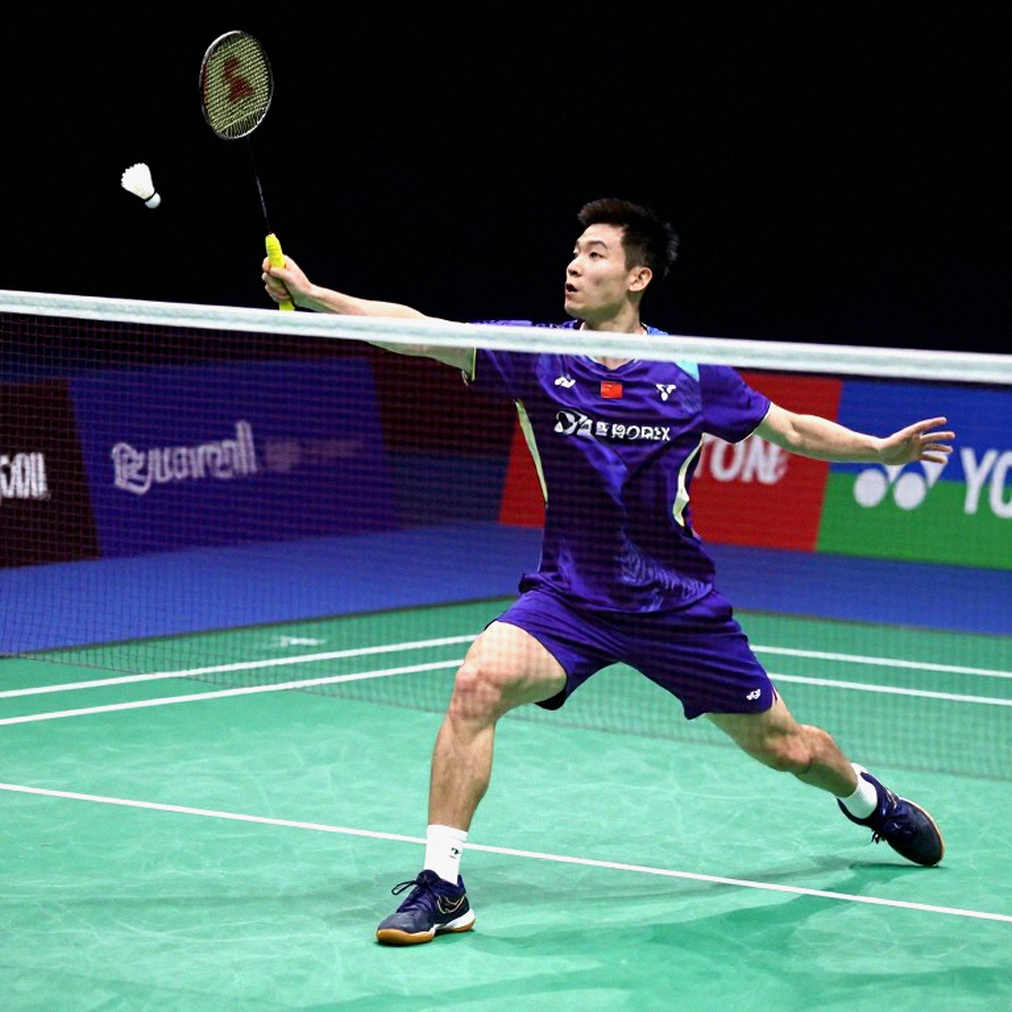
India has named an 18-member squad for the tournament, held from 5 to 17 October in Cairo, Egypt. After the team bronze and individual silver won on home soil in Guwahati in 2026, this is the first time the Indian junior team enters a world junior championship as a medal contender. The Badminton Association of India ran selection trials from 18 to 21 September under its Junior Selection Committee guidelines, then sent the squad into a World Junior Camp at the National Centre of Excellence in Guwahati from 25 September to 2 October.
The roster is spread evenly across all five disciplines. Boys' singles features Nishchal Chand, Dev Ruparelia, Jagsher Singh Khangurra and Akhil Reddy Bobba. Girls' singles features Parul Choudhary, Tanvi Reddy Andluri, Shaina Manimuthu and Tanvi Patri. Boys' doubles has two pairs, Aathish Sreenivas P.V./Yogansh Singh and Pavan Suresh/Punith Suresh. Girls' doubles has Aanya Bisht/Angel Punera and Diya Bheemaiah B./Baruni Parshwal. Mixed doubles has Divyansh Agrawal/Varna Prabhuanand and Yogansh Singh/Aanya Bisht.
Three names sit at the top of Indian media coverage: Tanvi Patri, Shaina Manimuthu and Dev Ruparelia. Patri has just won the U17 Asian title at the Badminton Asia Junior Championships 2026. Manimuthu took a continental silver. Ruparelia won an India Junior International Grand Prix event. BAI General Secretary Sanjay Mishra says the team has a good chance, carries momentum, and has worked extremely hard.
On seeding, India is fifth in the Suhandinata Cup and Indonesia is ninth. India sits in Group D1 with Peru and Brazil; Group D2 contains Indonesia, Macau China and Senegal. To reach the quarter-finals, India must top Group D1 and then win a play-off against the Group D2 winner, most likely Indonesia.
A squad announcement gives me not a single rally to analyse. No smash speed, no rally length, no unforced-error rate. A veteran writer did not teach me to write fast; he taught me to write deep. Writing deep here means reading the only element that carries weight — the playing format.

The new format is the biggest variable of the tournament, and it does not automatically tilt toward the best-prepared team; it tilts toward the team that has rehearsed exactly what it will play.
Under the 21-point best-of-three format, an underdog can still be ground down and lose, but at least has enough points to correct mistakes. With 3×15, each game holds far fewer points, so a short losing run is enough to close a game out. In a relay team format, one player's error can be amplified across the whole team if the points run as a single total. The original report does not define the precise mechanics of the 3×55 system, so this reasoning needs checking against the official BWF Council document. Whatever the mechanics, the consequence is clear: the safety margin for stronger teams narrows, upset probability rises, and the value of rehearsing the format before the event increases.
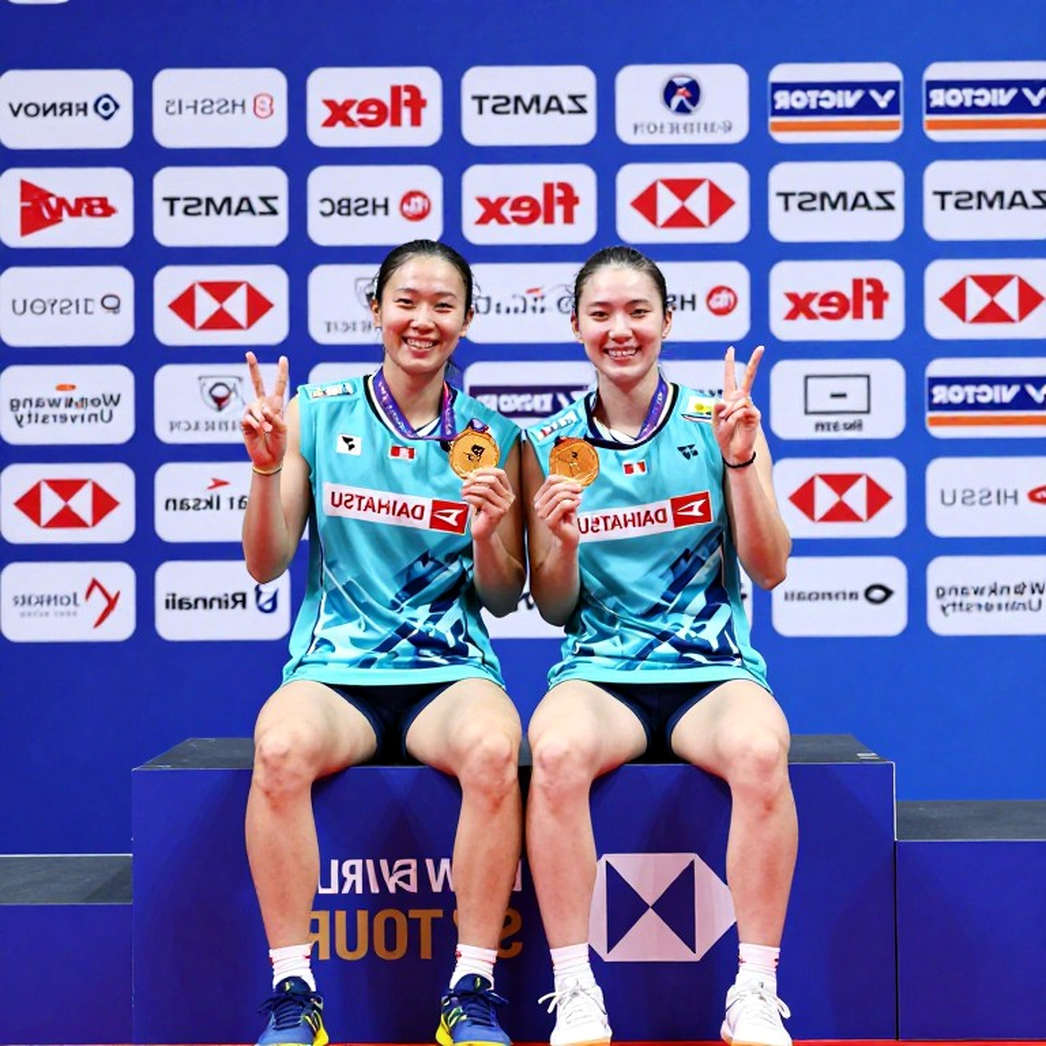
For India, the awkward question lies in the schedule. The team event runs 5–10 October, the individual events 11–17 October, almost back to back. Two athletes are entered in multiple disciplines: Yogansh Singh in boys' doubles and mixed doubles, Aanya Bisht in girls' doubles and mixed doubles. Bisht is also half of the Bisht/Punera pair that featured in last year's historic medal squad, meaning she carries both a technical and an experienced-core role. A season of burnout taught me that even heroes need a bench. At junior level, where physical capacity is unfinished and confidence swings hard, rotation is not a luxury but a condition for survival.
India's path in the team event looks favourable at first glance: Group D1 holds only Peru and Brazil, with no traditional junior powerhouse. But the door to the quarter-finals sits in a play-off against the Group D2 winner, where Indonesia waits. The gap between the fifth seed and the ninth seed is narrow, and it reflects a ranking snapshot, not a shield. India has an advantage on paper, yet that advantage evaporates in a single knockout tie — especially one played under a format both sides are only now learning.
The way medals are valued here also deserves a second look. Patri's U17 Asian title is a real milestone, but it belongs to the U17 age group, not U19. Manimuthu's continental silver and Ruparelia's India Junior International Grand Prix title are similar: credible credentials at regional level, not proof at world level. This is a distortion I have seen many times writing about young athletes — strong results in a lower age group read as readiness for the highest one.
This is where I want to pause a little longer. The new format is often described as a leveller that opens doors for emerging badminton nations. That argument sounds reasonable but does not hold when you look at how the big programmes operate. China, Korea, Japan and Indonesia have coaching benches deep enough to run separate groups for each format, analysis teams large enough to build point simulations, and enough players to rotate through a congested calendar. When the rules change, the advantage does not move to the weaker side; it moves to the side that adapts faster. An 18-player squad spread across five disciplines is a sensible structure, but structure does not replace hours of format rehearsal.
One detail also deserves caution: the draw mentioned in the original report does not name China, Korea or Japan. That silence only signals an information gap. Those junior powers could easily sit in groups not listed, and a squad prepared only for Peru, Brazil, Macau China and Senegal could pay dearly in the knockout rounds.
Home and away has not been raised either. In 2026, India won its medals in Guwahati, where the stands leaned heavily toward them and no umpire could miss the roar after every point. Cairo is a very different setting. I learned to write about emptiness before writing about victory, because a medal only means something once you know what it was built on. A bronze away from home carries more technical value than a bronze at home, even though the record books write them identically.
When I first started writing analysis, an editor told me that girls could write emotion, but not tactics. Tactics carry no gender, but prejudice always has its own umpire. I bring that up here because it bears directly on how we read India's junior roster: the three headline names all deserve their billing, but calling them phenomena while ignoring that they may play three 15-point games across thirteen straight days is cheering, not analysis.
The World Junior Camp from 25 September to 2 October is where the answer will be written. If the coaching staff uses that window to simulate the 3×55 relay and the 3×15 rhythm exactly, India can turn a shared disadvantage into a private edge. If not, they will walk into Cairo with the same squad, the same instincts, and let the format decide their fate.
What I want to know after 17 October is not whether India wins a medal. What I want to know is whether a rising badminton nation dares to prepare for a new set of rules as seriously as it prepares for a new opponent.